Tight access gardens in Waterloo solutions for gardeners
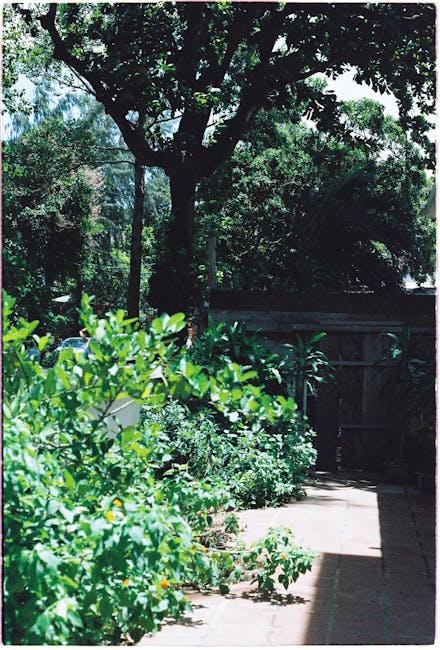
If your garden feels more like a passageway than a plot, you are not alone. Tight access gardens in Waterloo can be awkward to maintain, tricky to clear, and surprisingly easy to damage if the wrong approach is used. Whether the issue is a narrow side return, limited gate width, basement steps, shared access, or a back garden tucked behind a terrace, the right Tight access gardens in Waterloo solutions for gardeners can make a huge difference.
This guide breaks down the practical side of working in confined spaces: how professional gardeners plan access, what equipment tends to work best, where the risks are, and when a more careful or staged approach is needed. If you are trying to decide between simple maintenance, a one-off clearance, or a larger redesign, you will find the useful stuff here. No fluff. Just the real-world bits that matter.
Why Tight Access Gardens in Waterloo Solutions for Gardeners Matter
Waterloo properties often come with a familiar mix of charm and challenge. Narrow side passages, awkward rear entries, shared stairwells, small courtyards, and mature planting squeezed into limited space can all make gardening harder than it first looks. And once access is tight, even a straightforward task like moving bags of waste or a new set of plants becomes a bit of a puzzle.
That matters because access affects more than convenience. It affects safety, time, cost, and the quality of the final result. A gardener who understands tight access will plan differently from the start: smaller loads, lighter kit, more careful waste movement, and sequencing that avoids blocking the only route in or out. That is how you avoid the usual mess, scuffed walls, crushed beds, and the classic "we thought it would be fine" moment. Let's be honest, that moment is rarely fine.
For homeowners and landlords, good access planning also helps protect surfaces, neighbours, and planting. If you are looking for broader support across recurring work, garden maintenance can be a sensible starting point, while more cluttered or overgrown spaces may need a one-off garden clearance before regular care becomes realistic.
Expert summary: tight access does not just mean "harder to get in." It changes the whole job design. The best results usually come from planning the route, reducing load size, choosing quieter and lighter equipment, and working in stages rather than trying to force everything through at once.
How Tight Access Gardens in Waterloo Solutions for Gardeners Work
In practice, a tight-access garden job starts well before anyone lifts a spade. The first step is assessment. A good gardener will look at gate widths, doorway clearances, steps, surface types, turning space, overhead obstacles, nearby parking, and where the waste will end up. That sounds basic, but it is often where the real saving happens.
Next comes method planning. In confined gardens, professionals often switch from large-machine logic to manual or modular work. Think compact tools, bagged waste, repeated smaller trips, and careful sequencing. Rather than stripping an entire border in one go, they might prune, clear, and tidy one section at a time so the site stays workable.
There is also a material-handling side that people underestimate. Soil, hedge trimmings, broken timber, patio spoil, and old planting all move differently. Wet compost is heavy. Thorny cuttings need secure bags. Long branches may need sectional cutting before removal. It is not glamorous, but it is where the job either stays smooth or turns into a headache by lunch.
For example, if a Waterloo garden has a narrow alley and no direct rear vehicle access, a gardener may combine lighter pruning work with hedge trimming and selective lifting rather than full-scale removal on the first visit. In more complex layouts, landscape gardening or broader landscaping plans may be adapted so future maintenance is actually possible.
Key Benefits and Practical Advantages
The biggest benefit is simple: the work gets done properly without making the access problem worse. But there are several other advantages worth spelling out.
- Less damage to the property. Narrow routes and delicate walls are protected when tools and waste are handled in smaller, controlled movements.
- Better use of time. A well-planned access strategy avoids backtracking, double handling, and avoidable delays.
- Cleaner results. Tight spaces need tidiness as much as cutting or clearing, otherwise they feel cluttered again very quickly.
- Safer working. Reducing load size and avoiding rushed manoeuvres lowers the chance of slips, trips, and awkward lifting.
- More realistic pricing. When access is assessed properly, the quote is usually more accurate and there are fewer awkward surprises later.
- Better long-term upkeep. If the layout is approached with maintenance in mind, future visits become easier and more affordable.
There is also a quieter benefit: confidence. When a homeowner sees that a cramped courtyard or narrow back garden has been thought through properly, the whole job feels less stressful. The work no longer looks improvised. It looks manageable. That matters, especially where you have paving, decking edges, limited storage, or older garden structures that do not forgive careless handling.
If your garden is part tidy and part chaotic, a single session of lawn mowing or more targeted maintenance can be enough to restore structure. If there is more clutter than garden, you may need a staged approach that starts with clearance before any finishing work. Simple, really. Not always easy, though.
Who This Is For and When It Makes Sense
Tight access solutions are not only for neglected gardens. In fact, some of the hardest jobs are in gardens that are otherwise well cared for but hard to reach. That is especially common in Waterloo's terrace properties, mews-style layouts, basement patios, and urban homes where the garden sits behind the building rather than beside it.
This approach makes sense if you are dealing with any of the following:
- a side passage that is too narrow for standard equipment
- a garden only reachable through the house
- shared access with neighbours or tenants
- stepped access, slopes, or uneven paving
- heavy overgrowth that needs breaking down into smaller loads
- a courtyard or yard where large machinery would be overkill
- a property preparing for sale, letting, or refurbishment
It also makes sense if you are a landlord or managing agent who needs reliable, repeatable upkeep rather than one-off heroics. In those cases, structured services overview planning can help you decide whether the work should sit under routine care, clearance, or a broader landscaping project.
And sometimes the answer is simply: the current layout needs a rethink. A garden can look fine in summer and then become unworkable once the growth thickens, the bins are in place, and the route to the rear becomes a squeeze. That is exactly when a gardener needs to look at the space with fresh eyes.
Step-by-Step Guidance
If you want the job to go smoothly, here is the practical sequence that tends to work best.
- Measure access properly. Check gate widths, doorway openings, step height, low branches, and any pinch points. Do not guess. Guessing is how tools get stuck and tempers rise.
- Walk the route from start to finish. Notice where waste will be carried, where it can be staged, and where a wheelbarrow will actually turn.
- Separate the work into categories. Cut back, clear, lift, bag, and remove in a logical order. Avoid doing everything at once.
- Choose compact tools and smaller loads. Loppers, hand saws, folding tools, and manageable sacks often outperform bulky equipment in tight settings.
- Protect surfaces. Use boards, mats, or careful footpaths where needed to reduce wear on paving, decking, and thresholds.
- Work section by section. This keeps the space usable and prevents the garden from becoming a temporary dumping ground.
- Finish with cleanup. A tidy exit is just as important as tidy cutting. Maybe more so, to be fair.
If the garden includes timber features, sleepers, raised beds, or a tired old platform that gets in the way, it may be worth reviewing whether decking services or a different layout would make future access easier. Sometimes the smartest solution is not just about this week's job, but about making next season simpler.
Expert Tips for Better Results
Experienced gardeners working in tight-access spaces tend to rely on a few habits that make life much easier.
Keep the first visit focused
Do not try to solve every issue in one sweep if the access is awkward. A first visit might be best used for clearing routes, identifying hazards, and restoring working space. Once the garden is open again, the more detailed work becomes safer and faster.
Use waste handling as part of the plan, not an afterthought
Waste is often the thing that slows people down. Bags, stacks of branches, soil, and green waste all need somewhere to go. In small gardens, planning removal is half the job. If the site is badly congested, a specialist recycling and sustainability approach can also help keep waste movement sensible and responsible.
Trim with the future in mind
When access is tight, overgrown hedges and shrubs can quickly become a recurring problem. Keeping growth slightly more compact and accessible means future visits are easier. A little discipline now saves a lot of swearing later. Not an official gardening term, but still true.
Choose the right sequence
Cut back obstructive growth first, then clear the floor space, then deal with detail work. That order often makes the whole site feel bigger within minutes. You notice the difference immediately: light gets in, movement improves, and the job starts to breathe.
Think about maintenance access, not just current access
If a design leaves no room for future pruning, mowing, or cleanup, the garden will keep becoming awkward. Building maintenance access into the design is one of the most overlooked parts of good garden work.
Common Mistakes to Avoid
Some mistakes are so common in tight-access gardens that they are almost predictable. The good news? They are also avoidable.
- Assuming the tools will fit. A mower or large waste bin that looks fine on paper may be useless in a narrow passage.
- Skipping the access check. Even a small step, awkward corner, or locked shared gate can derail the job.
- Overfilling waste bags. Heavy bags are harder to move and more likely to split on the way out.
- Working top-down without a plan. Cutting back growth before clearing the route can trap the worker in the space they are trying to open up.
- Ignoring surface protection. A few careless trips can scratch paving or scuff walls in a way that is annoyingly visible afterwards.
- Starting with the wrong type of service. If the garden is overrun, routine care alone may not be enough. It might need clearance first, then maintenance.
The biggest hidden mistake is underestimating time. Tight access work often takes longer than a standard garden visit because everything must be handled more deliberately. That does not mean it is inefficient. It means it is done properly.
Tools, Resources and Recommendations
You do not need a giant kit list for tight access gardening. In fact, smaller and more adaptable tools are usually better. The aim is not to impress anyone with machinery. The aim is to get through a cramped route without turning the place into a mess.
| Tool or method | Best use | Why it helps in tight access |
|---|---|---|
| Hand tools | Pruning, edging, selective clearing | Easy to carry, easy to control, and less likely to damage narrow spaces |
| Compact bags or sacks | Green waste removal | Keep loads manageable and reduce splitting or overpacking |
| Wheelbarrow or carry trays | Short-distance movement of materials | Useful where the route is narrow but still navigable |
| Protective boards or mats | Surface protection | Helps safeguard paving, floors, and thresholds during repeated trips |
| Sectional cutting approach | Large shrubs, branches, and awkward waste | Makes bulky material easier to move through confined spaces |
For ongoing work, it is worth combining the right tools with sensible scheduling. A light-touch visit every so often is often better than waiting until the space becomes unmanageable. Regular garden maintenance can prevent the "where on earth do we even start?" feeling that tight gardens so often create.
If you are comparing providers, it is reasonable to ask how they handle access constraints, waste removal, protective measures, and insurance. You do not need jargon; you need reassurance that they have thought it through. The better firms usually have. The rest, well, they tend to discover the problem on site, which is not ideal.
Law, Compliance, Standards, or Best Practice
For most household garden work, the key issue is not formal regulation so much as safe, sensible practice. That said, anyone working in tight access conditions should pay close attention to manual handling, trip hazards, safe use of cutting tools, and the protection of neighbouring property. In the UK, professional gardeners are generally expected to work in a way that is careful, proportionate, and suited to the site.
If a job involves ladders, elevated cutting, larger tree work, or potentially hazardous material removal, the standards of care become even more important. In those cases, a careful assessment is wise before work begins. For example, complex tree-related tasks may be better handled through tree lopping and removal rather than improvised cutting in a cramped space.
Insurance matters too. Tight access work can involve more property contact simply because the route is narrow. That makes it sensible to check that the gardener has appropriate cover and a clear safety approach. You can also review a provider's insurance and safety information and their published health and safety policy if you want a better sense of how they think about risk.
There is also a practical responsibility around waste. Green waste should be managed properly, not dumped in a corner or left to rot because access was awkward. Good practice means planning removal, keeping routes clear, and leaving the property clean when the job is done. That sounds obvious, but plenty of people skip it.
Options, Methods, or Comparison Table
Different tight-access gardens need different approaches. Here is a simple comparison to help you think it through.
| Approach | Best for | Strengths | Limitations |
|---|---|---|---|
| Routine maintenance | Mostly tidy gardens with access issues | Fast, economical, keeps growth under control | Not enough for heavy overgrowth or blocked access |
| One-off clearance | Very congested or neglected spaces | Resets the garden and opens the route | May need follow-up work to keep it manageable |
| Selective landscaping | Gardens needing redesign for better movement | Improves future access and usability | Takes more planning and usually a bigger budget |
| Mixed approach | Most Waterloo tight-access gardens | Balances clearance, maintenance, and long-term improvement | Needs good sequencing and clear communication |
Truth be told, the mixed approach is often the most realistic. A garden might need a clear-out now, then a maintenance schedule, then a few small design changes later. Not dramatic. Just practical. And practicality wins more often than not.
Case Study or Real-World Example
Imagine a Waterloo terrace garden accessed only through the house and a narrow side corridor. The plot itself is not huge, but it has dense shrubs, tired borders, and several bags of old garden waste left over from previous DIY efforts. The owner wants it tidied before a family visit and does not want heavy machinery passing through the property.
In a case like that, a sensible gardener would usually start by opening the route. Cutting back the most obstructive growth first, then clearing waste in smaller loads, makes the remaining work possible. The space starts to feel larger within the first hour, which is always a nice moment. Then the gardener can move on to edging, light pruning, border reset, and a cleaner finish.
If there is a structural issue, such as tired edging or a layout that makes access awkward every season, that may be the point where broader changes are considered. Sometimes a carefully planned path, improved boundary line, or a more suitable surface can make upkeep much easier. It does not have to be a full redesign. Even one useful improvement can change the whole feel of the garden.
The important part is that the work is staged rather than forced. Once the access is under control, the rest follows. Slowly sometimes. But it follows.
Practical Checklist
Use this checklist before and during a tight-access garden job.
- Measure gates, doorways, and narrowest points
- Check for steps, slopes, and slippery surfaces
- Identify where waste will be staged and removed
- Confirm whether large tools will actually fit
- Protect floors, paving, and painted surfaces
- Clear the access route before starting detailed work
- Use smaller, manageable waste loads
- Work in sections rather than all at once
- Check for overhanging branches or tangled growth
- Leave a clean finish, not just a cut one
- Consider whether the garden needs maintenance, clearance, or redesign
- Review safety, insurance, and handling procedures for more complex jobs
If you can tick most of those boxes, the job usually goes far more smoothly. And if you cannot, that is okay too. It simply means the site needs more planning before the first cut.
Get a free quote today and see how much you can save.
Conclusion
Tight access gardens in Waterloo are not impossible, just particular. They need a gardener who understands how to work with limited space rather than fight it. That means careful measuring, smart sequencing, smaller tools, realistic waste handling, and sometimes a bit of design thinking as well.
Whether the job is routine maintenance, a one-off clearance, or a longer-term improvement plan, the right approach makes the garden feel calmer and more usable. And honestly, that is the point. A cramped garden can still be lovely. It just needs a bit of respect and a plan that fits the space.
If you are standing in the middle of a narrow, overgrown corner wondering where to start, start small. Open the route. Clear the clutter. Then build from there. Gardens have a habit of responding well once they are given a fair chance.
Frequently Asked Questions
What counts as a tight access garden in Waterloo?
Usually it means a garden that is hard to reach with standard equipment because of narrow gates, side passages, internal access only, steps, or limited turning space. The key issue is not just size, but how awkward it is to move in and out safely.
Can a gardener still work in a garden with no rear access?
Yes, in many cases. The job simply needs to be planned around the available route. Smaller tools, staged waste removal, and section-by-section work often solve the problem without needing major disruption.
Is tight access gardening more expensive?
It can be, because the work often takes longer and requires more manual handling. That said, a good assessment can keep costs sensible by avoiding wasted effort and choosing the most efficient method for the site.
Do I need garden clearance before regular maintenance?
If the space is heavily overgrown or blocked, yes, that is often the best order. Clearance opens the route and resets the site, while maintenance keeps it under control afterwards. Trying to maintain a garden that is already overwhelmed usually leads nowhere fast.
What tools work best in narrow gardens?
Hand tools, compact cutting tools, small waste bags, and careful manual handling are usually the most useful. Big machinery is only helpful if it can actually fit and move safely without damaging the property.
How do gardeners protect paving and walls in tight spaces?
They may use boards, mats, careful load planning, and controlled movement routes. The goal is to reduce repeated friction and avoid dragging heavy or sharp materials across surfaces.
Can tight access gardens still be redesigned properly?
Absolutely. In fact, some of the best improvements come from designing with access in mind from the start. Even modest changes to layout, edging, or planting structure can make future maintenance much easier.
How long does tight access garden work usually take?
It depends on the condition of the site and the route available. A neat garden with awkward access may only need a little extra time, while an overgrown or cluttered space can take much longer because everything has to be done in smaller stages.
Should I mention access issues when asking for a quote?
Yes, definitely. It helps the gardener plan properly and gives you a more accurate estimate. Photos are often useful too, especially where the access route is narrow or includes steps, shared passages, or internal entry points.
Is hedge trimming possible in very confined gardens?
Usually yes, provided there is enough room to work safely and remove the cuttings. In a tight space, hedge work is often done in smaller sections so the garden does not become blocked by debris.
What if the garden is too cluttered to start working safely?
Then a clearance-first approach is usually best. That might involve removing waste, cutting back obstructions, and opening the route before any finishing work begins. Safety comes first, every time.
How do I know whether I need maintenance, clearance, or landscaping?
If the garden is basically healthy but untidy, maintenance may be enough. If it is overgrown and hard to move through, clearance is often the right starting point. If the layout itself is causing the access problem, landscaping or selective redesign may be the better long-term answer.
For more information about the team, working approach, and what to expect from a professional visit, you can also explore about us or make a direct enquiry through contact us.
Sometimes the smallest garden improvements make the biggest difference to daily life. A clear path, a tidy border, a bit more breathing room - that changes everything, really.