
Gardener Waterloo: Recycling and Sustainability
At Gardener Waterloo we put recycling and sustainability at the heart of our gardening and waste services. Our approach combines an eco-friendly waste disposal area with a carefully managed sustainable rubbish gardening area, ensuring green waste and recyclable materials are treated as valuable resources rather than refuse. We work within local borough frameworks and municipal collection schemes, aligning our processes with community waste separation systems to maximise diversion from landfill.
Targets and Commitments
Our measurable goal is a clear recycling percentage target: to achieve a 75% diversion rate of all site-collected materials from landfill by 2028. This target covers garden arisings, mixed recyclables, wood, cardboard and small-scale construction waste from landscaping projects. We report progress annually and continuously improve routes and sorting to meet the recycling & sustainability ambitions that local residents expect.

Local Infrastructure and Waste Separation
We integrate with local transfer stations and material recovery facilities so that sorted materials travel the shortest practical distance. Working alongside boroughs' approach to waste separation — for example, kerbside glass and paper streams, food waste caddies and garden waste bins — Gardener Waterloo adapts its sorting lines to complement municipal schemes. By aligning with these systems we streamline handover at transfer stations and improve the quality of recyclable outputs.
Our on-site eco-friendly waste disposal area is designed to be compact, safe and highly effective. Garden waste is split into multiple streams: woody material for chipping, leafy waste for composting, and non-organic items set aside for recycling or donation. We use covered bays and clear labelling, and employ best-practice dust and runoff controls so operations are low-impact. The sustainable rubbish gardening area also includes secure storage for reusable materials such as paving slabs, plant pots and reclaimed timber.
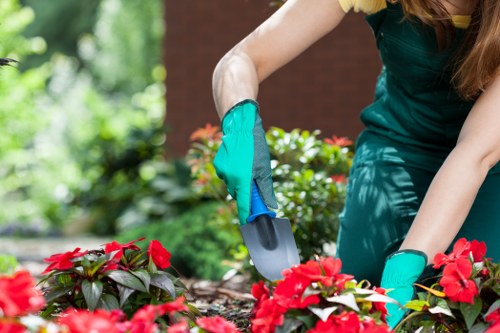
We partner with local charities and community groups to extend the life of useful materials. Surplus soil and compost goes to community allotments; reusable pots, bricks, and timber are offered to social enterprises; and small furniture items are handed to neighbourhood charities when suitable. These partnerships are central to our circular approach — turning what would be waste into resources that support local green spaces and charitable projects.
Examples of collaboration include shared drop-offs at nearby transfer stations, coordinated collections with charity vans, and internal sorting sessions that separate items destined for reuse. We publish an annual summary of donations and reused material tonnage to show the tangible social and environmental benefits of our work. This is part of a broader commitment to sustainable waste management and responsible gardening waste practices.
Operational efficiency and low-carbon logistics are essential. Our fleet includes low-carbon vans and efficient route planning to reduce emissions. We prioritise electric and hybrid vehicles for short urban runs, and employ cargo bikes for last-mile deliveries where practical. These steps reduce the carbon footprint of moving materials between client sites, staging areas and transfer stations and support our wider sustainable waste disposal objectives.
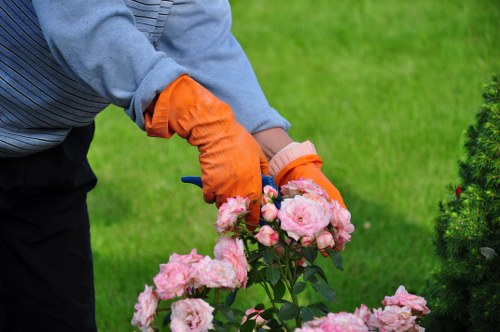
To make progress measurable we track multiple KPIs: tonnage diverted to composting, percentage of material sent to recycling, mileage and fuel-use per collection, and volumes donated to charities. These indicators inform quarterly adjustments to sorting infrastructure and vehicle deployment. By setting a clear recycling percentage target and reporting on route emissions, Gardener Waterloo demonstrates accountability in both waste outcomes and carbon reduction.

Community engagement is a continuing priority. We regularly brief clients and local groups on best waste separation practices, explain why glass, paper, food waste and green bins should remain uncontaminated, and coordinate site segregation to improve recycling yields. Our teams are trained in practical separation techniques so the sustainable rubbish gardening area operates efficiently and safely, avoiding cross-contamination that undermines borough recycling schemes.
In summary, Gardener Waterloo's approach to recycling and sustainability combines ambitious targets, smart use of local transfer stations, partnerships with charities, and low-carbon vans to create a resilient circular system. From composting to reuse and from efficient transport to community collaboration, our systems are tuned to support an eco-friendly waste disposal area and a productive, sustainable rubbish gardening area that benefits both environment and neighbourhoods.