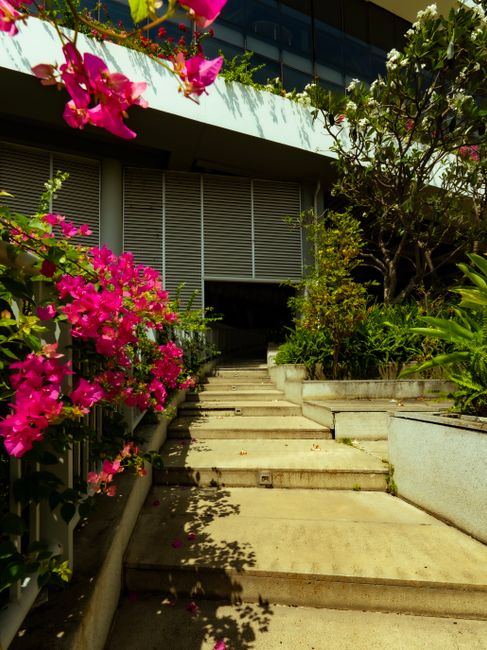
Waterloo gardeners Southbank balcony and roof garden guide

If you live or work near Waterloo or Southbank and you are trying to make a balcony or roof garden feel calmer, greener, and easier to maintain, you are in the right place. This Waterloo gardeners Southbank balcony and roof garden guide is for anyone juggling limited space, wind exposure, awkward access, and the simple wish for a bit of life outside the door. A small terrace can become a quiet morning coffee spot. A roof garden can turn into a proper outdoor room. But both need the right planning, and that is where a good gardener makes all the difference.
In a compact London setting, the details matter more than people expect. Pot weight, drainage, wind load, plant choice, watering rhythm, and access all shape whether a space thrives or becomes a slightly sad collection of half-dying containers. Truth be told, that happens more often than it should. This guide walks through the practical side of balcony and roof garden care so you can make better decisions, avoid expensive mistakes, and know when professional support is worth it.
For broader service context, you can also review the services overview and the team's background and approach if you are comparing options.
Why Waterloo gardeners Southbank balcony and roof garden guide Matters
Balcony and roof garden work is not just "gardening in a smaller space". It is a different discipline altogether. You are often dealing with stronger winds, hotter sun bouncing off surrounding buildings, faster drying compost, and the structural limits of the space itself. Southbank has a dense urban feel, which means light can change quickly through the day, and a balcony that looks bright at 9am may be in shade by lunchtime. Then the wind picks up. Then the pots dry out. Then the rosemary looks smug while the ferns sulk. Nature does enjoy a bit of drama.
That is why local knowledge matters. A gardener who understands Waterloo and Southbank conditions can help you choose plants that survive the reality of the site, not just the wish-list version in your head. They can also spot practical issues early: poor drainage, brittle trellis ties, inaccessible planters, unstable furniture arrangements, or irrigation that sounds clever until it leaks across the neighbour below. Nobody wants that conversation.
The real value here is not simply planting. It is creating a space that is safe, attractive, and workable throughout the year. That includes maintenance rhythm, seasonal resets, and a clear idea of what can be achieved within the footprint you actually have.
How Waterloo gardeners Southbank balcony and roof garden guide Works
Good balcony and roof garden care usually starts with a site assessment. In plain English, that means understanding the space before touching it. A gardener will look at sun and shade patterns, exposure to wind, surface drainage, access for tools and materials, water supply, and how much load the structure can reasonably take. Roof gardens in particular need sensible planning because heavy compost, saturated planters, stone containers, and excess furniture all add up quickly.
Once the site is understood, the gardener can recommend a planting plan and maintenance routine. That may include:
- container planting with appropriate compost and drainage layers
- evergreen structure for year-round form
- seasonal colour for visible impact
- climbers or screens for privacy
- watering support, especially during warmer weeks
- simple pruning and tidy-up cycles
On a roof garden, there is often a stronger emphasis on resilience and weight management. On a balcony, the emphasis may lean more towards compact planting, railing-height screening, and keeping the area uncluttered. Both need a plan that respects the physical constraints of the space. Not glamorous, perhaps, but very important.
Some clients want a one-off design and planting refresh. Others need regular care, perhaps every two to four weeks during the growing season. There is no single right answer; it depends on how much time you want to spend watering, deadheading, feeding, and resetting the space. If you are too busy to remember a watering schedule, you are not alone. London life does that to people.
Key Benefits and Practical Advantages
A well-managed balcony or roof garden does more than look nice. It changes how the space feels and how often you use it. That sounds simple, but it is often the deciding factor.
- Better use of limited space: smart planting and layout can make a small area feel bigger and more restful.
- Improved privacy: layered planting, climbing plants, and strategic screening can soften overlooking from nearby buildings.
- More reliable plant health: suitable species and correct compost mean fewer losses and less frustration.
- Cleaner, tidier appearance: roof and balcony gardens can start to look cluttered quickly; regular care keeps them elegant.
- Seasonal flexibility: the right mix of evergreen and seasonal planting keeps the space interesting across the year.
- Safer maintenance: stable containers, tidy routes, and sensible access reduce avoidable risks.
There is also a wellbeing benefit that people often underestimate. A small outside space where you can hear rain on leaves, smell herbs after watering, or sit among soft planting in the evening can be genuinely restorative. It does not need to be large to matter. Sometimes a very modest corner does the job beautifully.
| Benefit area | What you gain | Why it matters in Waterloo/Southbank |
|---|---|---|
| Plant choice | Healthier, longer-lasting containers | Wind and drying conditions make the wrong plants fail fast |
| Layout | More usable space | Compact homes need flexible, uncluttered outdoor areas |
| Maintenance | Less stress and fewer surprises | Busy city schedules make regular care a practical necessity |
| Structure | Safer, more stable planters and furniture | Roof and balcony settings need extra care with weight and exposure |
Who This Is For and When It Makes Sense
This kind of garden support suits a few different groups. First, apartment owners and tenants who want a balcony that feels finished rather than temporary. Second, building managers or landlords who need shared roof spaces to remain tidy, safe, and attractive. Third, busy professionals who like the idea of planting but do not have the time to nurse containers back from the edge every August.
It also makes sense if you have tried a DIY approach and the results have been mixed. Maybe the plants looked great for six weeks, then the wind took over. Or the compost kept drying out. Or the furniture made the space feel smaller than before. That happens. A professional assessment can often rescue the whole thing with a few sensible changes.
You may want this guide if you are:
- planning a new balcony garden from scratch
- reviving a tired roof terrace
- looking for lower-maintenance planting
- trying to improve privacy without making the area feel boxed in
- concerned about drainage, access, or safety
- wanting a more polished outdoor space for entertaining
If you are still deciding between a full refresh and ongoing maintenance, the sensible next step is to compare what you actually use the space for. Morning coffee? Occasional entertaining? A quiet visual backdrop? That answer shapes everything else.
Step-by-Step Guidance
Here is a practical sequence that works well for most balcony and roof garden projects in Waterloo and Southbank. It is not fancy. It is just the order that avoids headaches.
- Start with the brief. Decide how you want to use the space: relaxing, dining, screening, growing herbs, or all of the above.
- Check the conditions. Note sun, shade, wind, water access, and how exposed the space feels on a wet or cold day.
- Review the surface and structure. Understand what the floor can support and whether drainage is working properly.
- Choose the right containers. Use planters that suit the scale of the space and provide stable rooting depth.
- Pick plants for the site, not for the fantasy. Tough, compact, and wind-tolerant plants usually outperform delicate ones.
- Build in watering support. Even simple drip systems or grouped containers can make a big difference in summer.
- Layer for effect. Combine structure, foliage, flowers, and a few evergreen elements so the space works year-round.
- Set a maintenance rhythm. Pruning, feeding, and deadheading should happen often enough to stay ahead of decline.
A useful little rule: if a plan needs you to remember five separate weekly chores, it is probably too complicated for city living. You want a garden that supports your life, not one more thing to negotiate with on a Tuesday evening.
Expert Tips for Better Results
In practice, the best balcony and roof gardens usually share the same traits: restrained plant palettes, strong structure, and good watering habits. Here are the small improvements that make a big difference.
- Use heavier items sparingly. Large pots can look impressive, but too many can make the layout feel crowded and may create unnecessary load.
- Mix textures, not just colours. Soft grasses, glossy evergreen leaves, and trailing plants create depth even when flowers are sparse.
- Choose plants with purpose. Some are there for screening, some for scent, some for seasonal impact. Let each one earn its spot.
- Keep a wind buffer. If the space is exposed, position more fragile plants behind stronger ones or near sheltered corners.
- Think in layers. Low, mid, and vertical planting helps a small space feel richer without making it busy.
- Refresh compost and feed regularly. Container plants rely on you much more than border plants do. It is slightly unfair, but there it is.
One practical observation from many small-city gardens: the plants that look "plain" in spring often become the backbone of the whole space by late summer. A simple evergreen or structural grass can quietly save the design when flowering displays fade. Not glamorous, but absolutely doing the work.
If sustainability is part of your brief, it is worth asking about compost reuse, responsible green waste handling, and material choices. The page on recycling and sustainability is a sensible place to start if you want the practical side of greener gardening choices.
Common Mistakes to Avoid
Most balcony and roof garden problems are surprisingly predictable. That is good news, because predictable problems can be avoided. The usual ones are:
- Choosing plants for the shop, not the site. A lovely plant in a sheltered nursery may struggle badly on a windy terrace.
- Overcrowding containers. People often want instant fullness, but too many plants compete for water and root space.
- Ignoring drainage. Waterlogged pots can fail just as quickly as dry ones. Either extreme is bad.
- Using the wrong compost. Container growing needs a mix that holds moisture without turning dense and soggy.
- Forgetting maintenance access. If you cannot reach the back corner, that corner will become a small wilderness.
- Adding too much furniture. A roof terrace can lose its charm when every spare bit of floor is occupied.
- Skipping seasonal resets. Summer planting does not automatically carry the space through winter.
One more thing, and it sounds obvious until it is not: do not assume every container is fine just because it looks stable. When pots are full of wet compost after a downpour, they are far heavier than they appear. On upper-floor spaces, that is a detail worth respecting.
Tools, Resources and Recommendations
You do not need a shed full of specialist kit for a good balcony or roof garden, but a few well-chosen tools make maintenance much easier. A basic set usually includes:
- lightweight hand tools for planting and pruning
- a watering can with a narrow spout for controlled watering
- good-quality secateurs for trimming and deadheading
- gloves with enough grip for container work
- support ties or clips for climbers and taller stems
- moisture-retentive compost suited to pots and planters
For many clients, the most useful "resource" is actually a maintenance plan. That may sound boring, but it keeps the space looking good without constant guesswork. If you are comparing support levels or planning a regular visit schedule, it helps to look at pricing and quote information early on, simply so expectations are realistic from the start.
And if you need to check how a service is delivered, what is included, or how the company handles day-to-day working standards, the health and safety policy and insurance and safety information are sensible trust-building pages to review. Nobody gets excited about policies. Fair enough. But they matter.
Law, Compliance, Standards, or Best Practice
With balcony and roof gardens, compliance is mainly about working sensibly and respecting the building environment. In the UK, the exact obligations can vary depending on whether the space is private, shared, leasehold, or part of a managed building. You may also need to think about building management rules, access arrangements, and any requirements attached to the property itself. If a roof space is communal, there can be extra expectations around safety, maintenance responsibility, and keeping access routes clear.
From a best-practice standpoint, a good gardener should consider load, drainage, trip hazards, secure fixing, and safe access before recommending any major change. In a shared residential setting, it is wise to avoid anything that could block escape routes, interfere with surfaces, or create drainage issues for neighbours below. That sounds obvious, but it gets overlooked more often than you would think.
There is also the practical side of professional conduct. Clear quotes, agreed scope, tidy working methods, and transparent communication all reduce friction. If you are the kind of person who likes to know where things stand before work starts, reviewing the terms and conditions and privacy information can be reassuring. For payment handling and card security, there is also payment and security guidance.
One final note: if you are ever unsure about structural limits or building permission, it is better to slow down and ask than to assume. A beautiful garden is not worth a cracked surface or a complaint from the floor below. That part is just common sense, really.
Options, Methods, or Comparison Table
Most Waterloo and Southbank balcony projects fall into one of three broad approaches. Each has its place, and the best option depends on how much time, budget, and involvement you want.
| Approach | Best for | Pros | Trade-offs |
|---|---|---|---|
| Low-maintenance container planting | Busy owners, rental homes, simple balconies | Easy to manage, flexible, quick to refresh | Needs regular watering and seasonal renewal |
| Designed roof terrace scheme | Primary outdoor living spaces | Strong visual impact, better privacy, more polished finish | Usually needs more planning and ongoing care |
| Maintenance-only support | Existing gardens needing rescue or upkeep | Useful if layout is already in place | May not fix deeper design or drainage issues |
For many people, the sweet spot is a hybrid: a simple, well-built planting structure with enough regular maintenance to keep it looking intentional. It does not need to be elaborate to work well. In fact, elaborate can be a problem if nobody has time to look after it.
Case Study or Real-World Example
Picture a compact Southbank balcony used mostly in the mornings and on the occasional warm evening. The owner wants privacy from nearby flats, a greener look, and plants that do not collapse after the first dry spell. The original setup is typical: a few random pots, one tired lavender, and a chair that takes up too much space.
A sensible redesign would start by removing clutter and checking the strongest wind and light patterns. Then the planting could shift towards a mix of evergreen structure, a few upright plants for screening, and container-friendly herbs or seasonal colour near the sitting area. The tallest planters would go where they help privacy without crowding the walkway. The whole space would be easier to move through, and the daily feel would change immediately. You notice the calm first. Then the practicality.
What made the difference was not expensive materials. It was decision-making. The right plants, the right pot sizes, and a layout that respected how the balcony was actually used. That is usually the pattern. Not flashy. Just effective.
Practical Checklist
Use this checklist before starting or refreshing a balcony or roof garden project.
- Have you checked sun, shade, and wind exposure across the day?
- Do you know whether the surface drains properly after rain?
- Have you kept enough clear space for safe movement and access?
- Are your containers sized for the plants you want to grow?
- Have you chosen plants that can cope with the site conditions?
- Is there a practical watering plan for warm or dry periods?
- Have you allowed for seasonal pruning, feeding, and replacement planting?
- Do you know whether the space has any load or access limitations?
- Are furniture and planters arranged so the space still feels open?
- Have you checked the service details, expectations, and any relevant policies?
If you can answer most of those with confidence, you are already ahead of the game.
Get a free quote today and see how much you can save.
Conclusion
A balcony or roof garden in Waterloo or Southbank can be one of the most rewarding parts of a home, but only when it is designed around the reality of the space. Good gardening here is not about cramming in as much as possible. It is about making careful choices, keeping maintenance realistic, and building a result that still feels good six months later, not just on day one.
If you are ready to improve the space, start with conditions, not decoration. Once the structure is right, the rest becomes much easier. And if you want a practical, safe, and well-managed approach, a local gardener with the right experience can save you a lot of trial and error. Sometimes the simplest plan is the strongest one.
There is something quietly satisfying about stepping onto a small outdoor space and feeling that it really works. Not perfect. Just right enough to live with, and lovely enough to enjoy.
Frequently Asked Questions
What makes balcony gardening different from normal garden work?
Balcony gardening is more constrained and more exposed. You have less soil volume, more wind, faster drying, and usually less room for error. That means plant choice, pot size, and watering matter much more than they do in a regular border.
Can a roof garden be low maintenance?
Yes, but only if it is designed that way from the start. The best low-maintenance roof gardens use resilient plants, sensible container groupings, and a layout that is easy to water and tidy. "Low maintenance" does not mean no maintenance, though. Sadly, plants did not get that memo.
What plants usually work well on a windy Southbank balcony?
Tough, compact, and wind-tolerant plants usually do best. Evergreen structure, grasses, herbs, and sturdier flowering plants tend to cope better than delicate, floppy varieties. The exact choice depends on light and shelter, so site conditions come first.
Do roof gardens need special structural checks?
They often do, especially if you are adding large planters, heavy furniture, water features, or multiple container layers. It is sensible to consider weight, drainage, and access before making major changes. If there is any uncertainty, pause and check rather than guess.
How often should balcony planters be watered in summer?
That depends on exposure, container size, and plant type. In warm weather, some planters may need daily watering, while larger or more sheltered containers may need less. Grouping pots together and using moisture-retentive compost can reduce the burden.
Is it worth hiring a gardener for a small terrace?
Often yes, especially if you want the space to look composed rather than improvised. A good gardener can save time, improve plant survival, and prevent common mistakes. Even a small terrace can benefit from professional planning.
What is the biggest mistake people make with roof gardens?
The biggest mistake is usually underestimating maintenance and load. People often focus on how the garden will look at installation and not enough on how it will behave after rain, in wind, and through a long dry spell.
Can I have privacy planting on a balcony without making it feel cramped?
Yes. The trick is layering. Use a few taller elements where needed, keep the walkway clear, and mix screening plants with lower, lighter planting. If everything is tall, the space can feel boxed in very quickly.
How do I keep container plants alive if I travel often?
Reliable watering support is the answer. That might mean grouping pots together, using self-watering containers, or arranging maintenance visits. If you are away regularly, build that into the plan rather than hoping for the best.
What should I ask before booking balcony or roof garden work?
Ask what is included, how the site will be assessed, whether the plants suit the conditions, how maintenance is handled, and whether the service is covered by appropriate safety and insurance arrangements. Clear answers now save awkward surprises later.
How do I know if my current balcony garden needs a full refresh?
If plants keep failing, the space feels cluttered, drainage is poor, or maintenance has become a constant struggle, a refresh is probably worthwhile. Sometimes a few adjustments are enough. Other times the whole structure needs rethinking. A proper assessment helps you tell the difference.
Where can I find more information about working with the team?
It can help to review the services overview, learn more on the about page, and use the contact page if you want to discuss your space directly. If you are comparing practical details, the pricing and quotes page is also useful.